
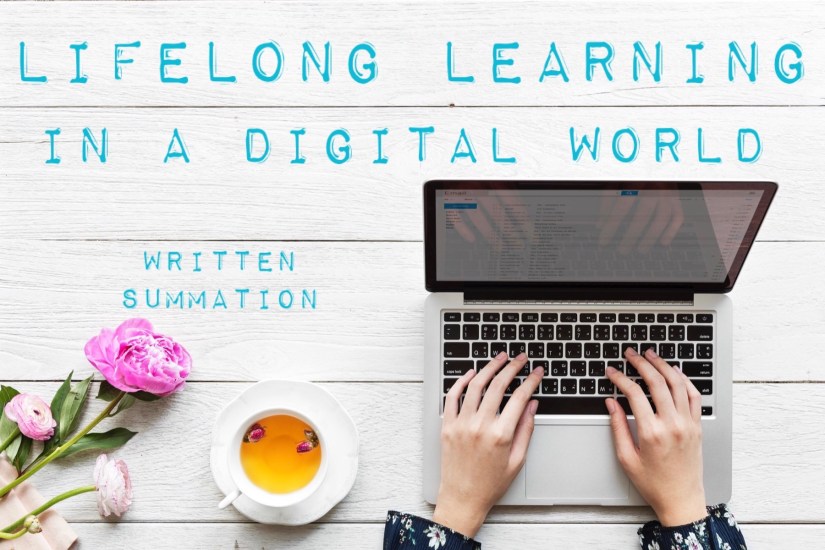
Figure 1. Flower, Beverage and Laptop (Pexel, 2019)
Written Summation
The Australian Curriculum (2019) describes lifelong learning as
“the ongoing, voluntary and self-motivated pursuit of knowledge, understanding and skills development for either personal or professional reasons – enhancing personal development, competitiveness and employability”
It has been said that the average 15 year old of 2018 is destined to have 17 jobs spread out over 5 different career paths in their life time (FYA, 2018). With technology having such a rapid impact on career opportunities in our digital world, our children need to be equipped with the vital skills that come with being a lifelong learner in order for their skill sets to remain relevant.
While this journey begins in early childhood, a child’s teacher can foster this impulsion by assisting the development of metacognition – “The skill of learning how to learn” (Fastiggi, n.d.).

Figure 2. Text on Shelf (Pexel, 2019)
With the shift towards student led learning and expectations of digital fluency (Howell, 2012), educators are being encouraged to offer learning opportunities targeting the Australian Curriculum with the aid of Information and Communication Technology (ICT).
Where once rote learning had a dominant place in the classroom, technology and a better understanding of ways we learn have opened up a new model of meaningful learning (Oxford Learning, 2017) that allows information to be retained and transferred to real life applications.
Technology can be used to enrich lifelong learning skills by giving them access to tools to enable them to design, create, build, experiment and communicate on a global scale.

Figure 3. Group hand fist bump (Pexel, 2019)
Lesson plans can be a digitally blurred, transmedia experience, tailored to suit an individuals needs and interests to engage our digital natives in learning requirements as described by Prenksy (2001).
Being a lifelong learner in this digital world is a vital skill in our forever changing industries. With the use of technology, teachers can ignite this thirst for knowledge and instil a desire to forever be learning into their students.
References
Australian Curriculum. (2019). Glossary. Retrieved from https://www.australiancurriculum.edu.au/f-10-curriculum/work-studies/Glossary/?term=lifelong+learning
Fastiggi, W., (n.d.) The role of technology in lifelong learning and the importance of digital citizenship. Retrieved from http://technologyforlearners.com/the-role-of-technology-in-lifelong-learning-the-importance-of-digital-citizenship/
Howell, J., (2012). Teaching with ICT. Melbourne, Oxford University Press.
Oxford Learning, (2017). The difference between rote learning and meaningful learning. Retrieved from https://www.oxfordlearning.com/difference-rote-learning-meaningful-learning/
Pexels. (2019) Group hand fist bump. Retrieved from https://www.pexels.com/photo/group-hand-fist-bump-1068523/
Pexels. (2019) Text on shelf. Retrieved from https://www.pexels.com/photo//photo/view-of-a-row-256428/
Prensky, M. (2001). Digital natives, digital immigrants. On the horizon. vol. 9 No. 5, October 2001 Retrieved from https://www.marcprensky.com/writing/Prensky%20-%20Digital%20Natives,%20Digital%20Immigrants%20-%20Part1.pdf
 Teaching With Technology